Fleas and ticks are never something we want to find on our dogs, but sadly it is a common concern for many of us, especially during the warmer months when we’re spending more time out on walks and exploring.
Knowing the signs of fleas and ticks on dogs can help you spot anything unusual early, from extra scratching to small changes in their skin or coat.
In this guide, we’ll cover how to check your dog for fleas and ticks, what to look out for, and what to do if you find one. We’ll also look at flea treatment for dogs, how to remove ticks and natural ways to support your dog during flea and tick season.
What are the signs of fleas on dogs?
Fleas are small and quick, so you may notice changes in your dog before you actually spot one.
Some of the most common signs of fleas on dogs include:
- Scratching or biting at their skin more than usual
- Licking or grooming themselves excessively
- Small dark specks within the coat
- Fleas moving through the fur
- Changes to the skin or coat
- Appearing generally uncomfortable or unsettled

How to check your dog for fleas
One of the easiest ways to check your dog for fleas is to regularly look through their coat.
- Step 1: Part the fur so you can see down to the skin, working methodically across the body rather than checking just one area. Pay particular attention to areas such as the base of the tail, tummy, groin and inside the back legs.
- Step 2: Use a fine-toothed flea comb can also make it easier to inspect the coat closely.

Regular grooming is also a lovely opportunity to get familiar with what your dog’s skin and coat normally look and feel like, which can make it much easier to notice when something changes.
What do ticks look like on dogs?
Ticks can be surprisingly easy to miss, particularly on dogs with long or thick coats. Before feeding, they can be very small. Once attached, they become larger and may feel like a little bump when you run your hands over your dog’s skin.
They can vary in colour from pale grey or brown through to much darker shades.

How to check your dog for ticks
It’s a good habit to give your dog a quick check after walks, particularly if you’ve been exploring woodland, long grass or countryside.
Run your hands slowly over their body and feel for any small bumps that aren’t normally there.
Areas worth checking include:
- Around and inside the ears
- Around the face and neck
- Under the collar
- Between the toes or in the fur around their paw pads
- Around the legs and armpits
- The tummy and groin
- Around the tail
When is flea and tick season for dogs?
How can natural support help during flea and tick season?
Alongside regular checks and keeping your dog’s coat and skin in good condition, you may also want to include natural flea & tick seasonal support as part of their everyday routine.
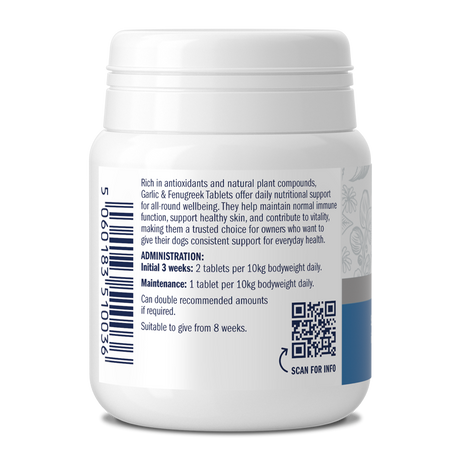
Garlic & Fenugreek Tablets are a natural daily supplement formulated with black aged garlic extract and fenugreek. Rich in natural plant compounds and antioxidants, they help support general wellbeing, healthy skin and normal immune function — all useful during the months when fleas and ticks are more active.
For owners looking for natural flea & tick seasonal support, they can be added to your dog’s everyday routine to help support their natural defences during flea & tick season.
They’re designed for daily, long-term use, so rather than waiting until the season is in full swing, you can make them part of your dog’s regular wellbeing routine.
Shop Garlic & Fenugreek Tablets

Alongside this, we recommend you keep checking your dog after walks, particularly around their ears, neck, armpits, tummy, paws and tail, and stay familiar with what is normal for their skin and coat.
What should I do if I find fleas on my dog?
If you think your dog has fleas, it’s important to tackle both your dog and their environment. Fleas spend much of their lifecycle away from the animal, so eggs and larvae can also be found in bedding, carpets, soft furnishings and other areas of the home.
To help break the flea lifecycle:
- Wash your dog’s bedding, blankets and other washable items on the hottest setting that is safe for the fabric.
- Vacuum carpets, rugs, sofas, skirting boards and anywhere your dog regularly sleeps or rests, paying particular attention to cracks and edges.
- Empty your vacuum after cleaning and dispose of the contents outside.
- Consider using a household flea treatment suitable for use around pets, following the manufacturer’s instructions carefully.
- Remember to check and treat other pets in the household too, where appropriate.
We’d also recommend speaking to your vet about the most appropriate flea treatment for your dog, particularly if they are very young, elderly, have an existing health condition, or you’re unsure which type of treatment is suitable.
Always use authorised flea treatments according to their instructions, and remember that dealing with an infestation can take time because new fleas may continue to emerge from the environment for a while after treatment begins.
What should I do if I find a tick on my dog?
If you find a tick attached to your dog, the most important thing is to remove it carefully and as soon as you can. Ticks attach themselves to the skin and feed over a period of time, so it’s worth checking your dog regularly after walks, particularly around the ears, neck, armpits, tummy, groin, paws and tail.
Use a purpose-made tick removal tool and follow the instructions carefully. The aim is to remove the tick whole, without squeezing the body or leaving the mouthparts behind in the skin. Avoid trying to burn the tick off, cover it in oils or creams, or pull it out with your fingers, as this can make removal more difficult.
Once it has been removed, keep an eye on the area for any redness, swelling or irritation. If you’re unsure whether the whole tick has been removed, the area looks sore, or your dog seems unwell afterwards, speak to your vet.
What flea and tick treatment options are available for dogs?
There are several different types of tick treatment for dogs, and the best option will depend on your dog’s age, weight, lifestyle, health and how often they are exposed to areas where ticks are common.
Your vet may recommend:
- Tablets or chews – some oral parasite treatments are designed to kill ticks after they attach and feed.
- Topical treatments – liquid products applied to the skin can provide protection against ticks for a set period of time. Some topical parasite products have recently been in the news because of concerns about their environmental impact, so it’s important to follow the instructions carefully and ask your vet if you have any concerns.
- Tick collars – some veterinary collars can provide longer-lasting protection against ticks and may be useful for dogs that spend lots of time in woodland, long grass or countryside.
- Combination parasite treatments – some products are designed to cover both fleas and ticks, and sometimes other parasites too.
A vet can help you choose the most appropriate option based on your dog’s individual risk.
Can ticks make dogs unwell?
Most tick bites won’t cause serious problems, but ticks can carry infections, including diseases such as Lyme disease.
That doesn’t mean every tick bite will make a dog ill, but it’s a good reason to remove ticks promptly and keep an eye on your dog afterwards.
Speak to your vet if you notice anything unusual after a tick bite, such as:
- Lethargy or seeming unusually tired
- Loss of appetite
- Lameness or stiffness
- Swelling around the bite
- Fever
- Changes in behaviour
If you regularly walk your dog through long grass, woodland or countryside, making tick checks part of your normal routine can be one of the simplest ways to spot them early.
Make regular flea and tick checks part of your routine
Whether you’ve been on a countryside adventure or you’re simply enjoying an evening cuddle on the sofa, taking a moment to check your dog’s skin and coat is an easy habit to build into everyday life.
Get familiar with what’s normal for your dog, keep an eye out for signs of fleas and ticks, and pay particular attention after walks through long grass, woodland and other areas where ticks may be present.
Alongside regular checks, Garlic & Fenugreek Tablets can provide natural flea & tick seasonal support, helping you keep seasonal wellbeing front of mind when fleas and ticks are around. If you do find fleas or ticks, or you’re unsure about the most appropriate treatment for your dog, speak to your vet for advice.