Fireworks season can bring lots of questions for dog owners. Is barking a sign they’re excited? Should you comfort them if they’re scared? And if they were fine last year, will they be fine again this year?
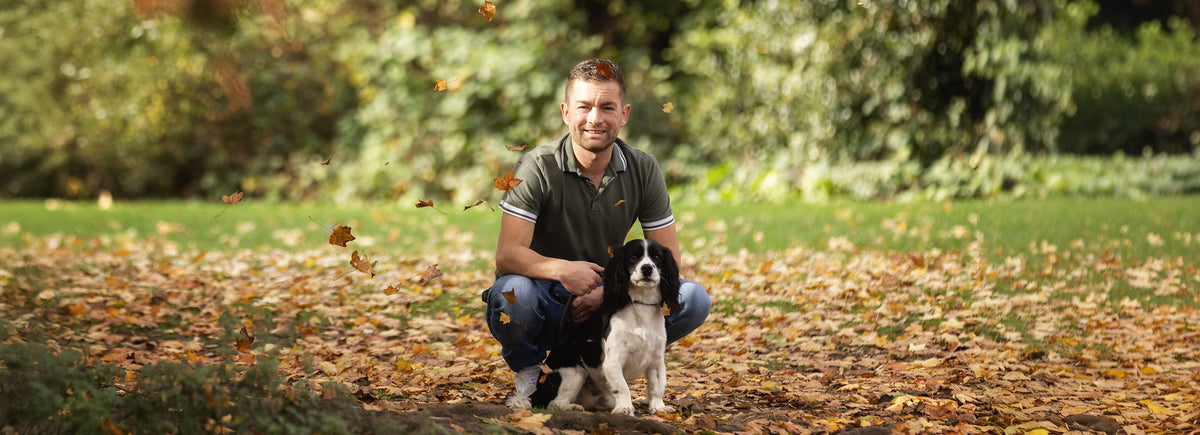
Every dog is different, and it’s not always easy to know what their behaviour is telling you. That’s why we’ve teamed up with accredited dog behaviourist and trainer Adem Fehmi, aka ‘Dogtor Adem' to bust five common fireworks myths and misconceptions in order to help you better understand what your dog might be experiencing this fireworks season.
 Myth 1: "My dog will always be scared of fireworks, no matter what I do."
If your dog has struggled with fireworks before, it can feel like something you’ll simply have to manage every year. But fear responses can change with the right support, preparation and training.
Adem says:
"With the right approach your dog can most definitely learn that fireworks are not to be feared! This isn’t to say that you should be aiming to take them to a firework display, but getting through fireworks season does not have to be a stressful ordeal every year.
The important thing is to think long term. Gradual desensitisation, creating a safe environment at home and preparing ahead of fireworks season can all help your dog feel more comfortable.
Rather than expecting an instant change, work at your dog’s pace and focus on helping them feel safer and more settled around unfamiliar noises."
Myth 2: "My dog doesn’t mind fireworks, he tries to join in by barking at them!"
Barking can be easy to interpret as excitement, especially if your dog runs towards a window or seems highly alert when fireworks begin. But barking alone doesn’t always tell you how your dog is feeling.
Adem says:
"A dog can bark for many reasons, sometimes this can be for excitement but other times it can mean they are worried or fearful. It is important to not misinterpret your dog’s barking as this can worsen any anxiety or fear they might be feeling.
Try looking at your dog’s wider body language too. Are they pacing, panting, struggling to settle, repeatedly checking windows or staying unusually close to you?
Looking at the whole picture can help you recognise whether your dog is simply stimulated by the noise or whether they may actually be feeling worried."
Myth 3: "You should ignore your dog when they are scared."
There is still a common belief that comforting a frightened dog will somehow encourage their fear. In reality, every dog will seek support differently, and it’s important to respond to what your individual dog needs.
Adem says:
"As loving owners, it is important that we take steps to support our dogs if they start to show signs that they are anxious or scared. This will look different for every dog but simply ignoring your dog’s fear is never the answer!
Some dogs may want to stay close to you, while others might prefer to retreat to a bed, crate or quiet room.
Let your dog choose where they feel safest and try to keep the atmosphere at home calm and predictable. Being available to them without making a big fuss can help them feel more secure."

Myth 4: "My dog will eventually stop being scared of fireworks if they are exposed to them enough."
It can be tempting to assume that repeated exposure will eventually help a dog “get used to” fireworks. However, there is an important difference between gradual desensitisation and simply exposing a dog to something they already find frightening.
Adem says:
"Whilst carefully structured desensitisation training and support over time can definitely help your dog to overcome any fear of fireworks they might have, simply flooding them with the sounds, sights and smell of fireworks is likely to have the opposite effect and make any anxiety or fear worse.
Desensitisation should always be gradual and controlled. For example, recorded firework sounds may be introduced very quietly at first, only increasing when your dog remains completely comfortable. If you'd like to learn more about how to help desensitise your dog, head over to my YouTube video >
If your dog begins showing signs of worry, the intensity is too high. The aim is to build confidence over time, rather than expecting them to tolerate something overwhelming."
Myth 5: "My dog didn’t worry about fireworks last year, so they’ll be fine this fireworks season too."
Even if your dog has previously appeared completely unfazed by fireworks, it’s still worth preparing. Behaviour can change over time and one difficult experience can sometimes alter how a dog responds in future.
Adem says:
"Unfortunately this is not always true! Many things can influence how your dog might act year to year, including their life stage, a change in their physical or mental health, a change to their home environment, and also other experiences they might have had throughout the year. Just because your dog didn’t react last year, doesn’t mean they won’t be impacted negatively this year!
Keep an eye out for small changes in behaviour as fireworks season approaches. Becoming more clingy, restless, alert to noises or reluctant to settle can all be signs that your dog is finding things more difficult than they have in previous years.
Preparing early means you have more options available if their behaviour does change."
Start preparing before the bangs begin
Every dog is different, and the support they need during fireworks season will vary too.
Preparing early gives you time to work on gradual desensitisation, create a comfortable safe space and learn to recognise the early signs that your dog may be feeling unsettled.
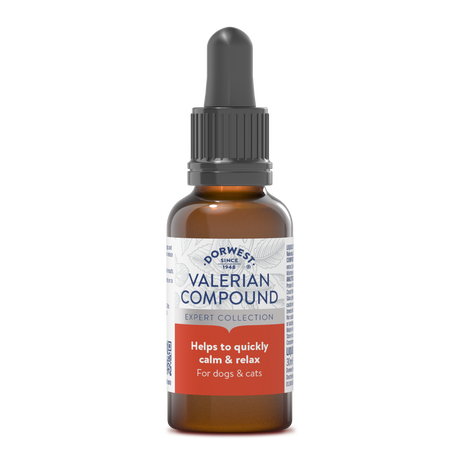
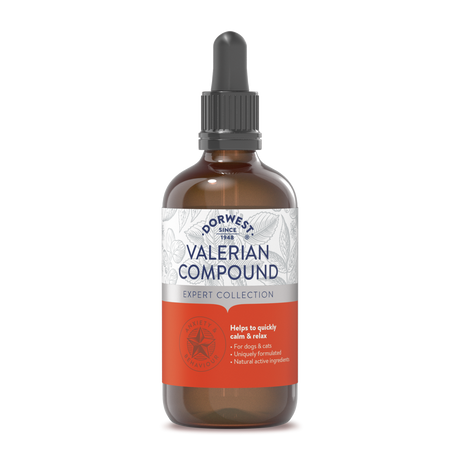
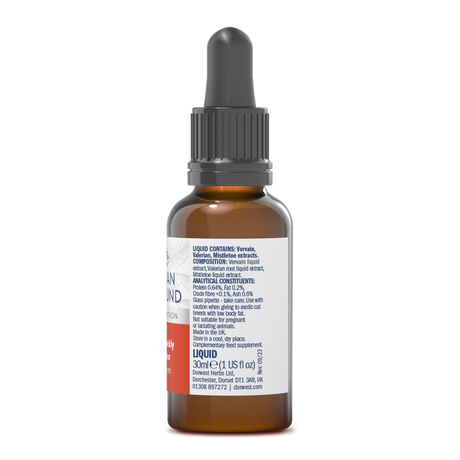
Alongside training and preparation, our best-selling Calming Duo can provide additional support when fireworks are on the horizon. Scullcap & Valerian Tablets provide everyday calming support, while fast-acting Valerian Compound can be used alongside them when your dog needs extra support.
For a limited time, you can get 25% off the Calming Duo with code GETREADY. Ends 8th November 2026

If you have any questions or need help choosing which calming support is best for your pet, feel free to contact our friendly team of product experts on 01308 897272 or email info@dorwest.com.