From bounding through fields to jumping onto the sofa, our dogs rely on their joints for almost everything they love to do. While joint problems can affect dogs of any breed, age or size, some breeds can be more predisposed to certain joint conditions than others.
Larger breeds including Labradors, Labrador Retrievers, German Shepherd Dogs, Golden Retrievers, Bernese Mountain Dogs, Newfoundlands and Rottweilers are among those more commonly at risk of hip dysplasia. However, joint health isn't just something for big dogs to think about – smaller breeds can experience their own joint problems too.
Being more prone to a condition certainly doesn't mean your dog will develop it. Genetics are just one part of the picture, alongside their age, weight, activity levels, previous injuries and general health.
So, which dog breeds are more prone to joint problems, what signs should you look out for and how can you support your dog's joints throughout their life?
Why are some dog breeds prone to joint problems?
Just like us, dogs inherit certain characteristics from their parents – and that can include a predisposition to some health conditions.
Hip and elbow dysplasia, for example, are developmental conditions with a genetic component. A number of breeds are more commonly at risk, although hip dysplasia can occur in dogs of any breed or size, whether purebred or mixed breed.
A dog's size and build can play a part too, while factors including body weight, exercise and previous injuries can influence their joints throughout life.
For more information, you can read The Royal Kennel Club's guide to hip dysplasia in dogs.
Here are some of the dog breeds more commonly associated with joint problems.
Labrador & Labrador Retrievers

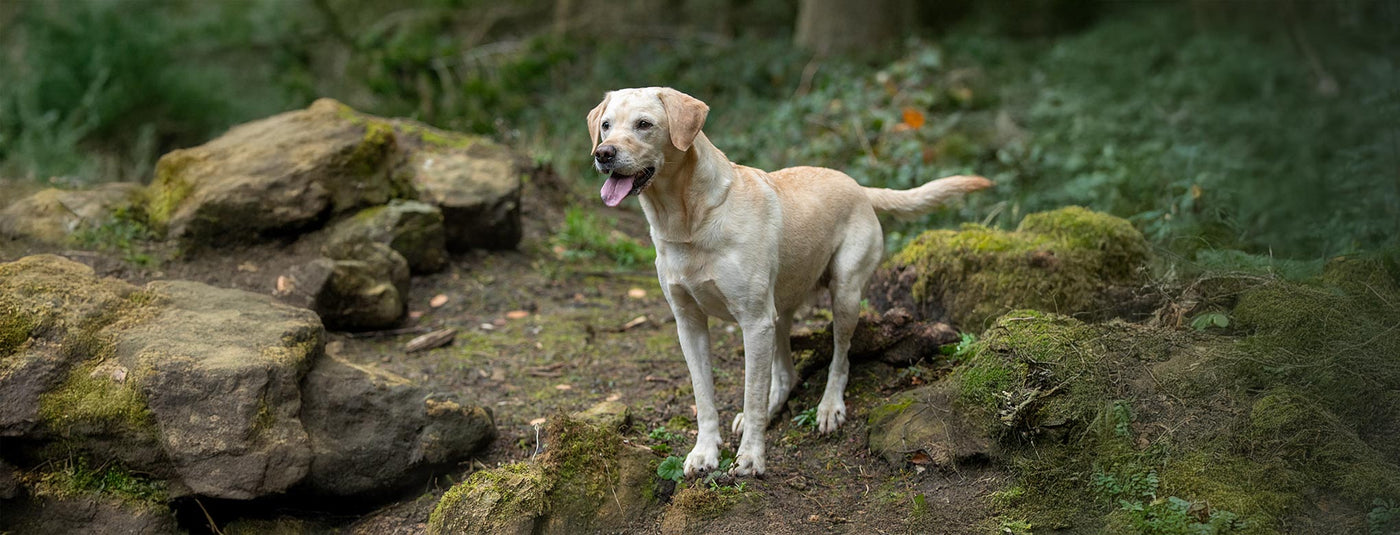
Always ready for the next walk, swim or game of fetch, Labradors certainly like to keep busy!
However, Labrador Retrievers are one of the breeds more commonly associated with hip and elbow dysplasia. Both conditions affect the way the joint develops and can contribute to arthritis later in life.
Of course, this doesn't mean every Labrador will experience joint problems. Helping them maintain a healthy weight and keeping them regularly active can help support their joints and the muscles around them.
German Shepherds

Athletic, intelligent and often very active, German Shepherd Dogs need healthy joints to support everything from everyday walks to working and training.
The breed has a recognised predisposition to both hip and elbow dysplasia, which is why screening for these conditions forms an important part of responsible breeding programmes.
Giving their joints the right support throughout their lifetime can help keep them moving comfortably and doing the things they love.
Golden Retrievers

Whether they're carrying their favourite toy around the house or enjoying a long countryside walk, Golden Retrievers are another active breed where joint health deserves a little extra attention.
Golden Retrievers are among the breeds commonly screened for hip and elbow dysplasia, and these developmental joint conditions can increase the likelihood of arthritis developing later in life.
Keeping them lean, active and well-muscled is a great foundation for supporting comfortable movement throughout life.
Rottweilers

Strong, active and powerful, Rottweilers naturally place significant demands on their joints during everyday movement.
The breed is amongst those more commonly associated with both hip and elbow dysplasia, making good joint care worth thinking about throughout their life – not just once they reach their senior years.
Regular, suitable exercise is important too, helping maintain the muscles that support their joints.
Bernese Mountain Dogs

Big dogs mean big cuddles – and Bernese Mountain Dogs are certainly no exception!
As a large breed, their joints have plenty of bodyweight to support, and Bernese Mountain Dogs are recognised as being more predisposed to hip and elbow dysplasia.
Keeping them at a healthy body condition and adapting their activity to their individual needs can all play a part in supporting comfortable movement.
Newfoundlands

With their impressive size and loveable nature, Newfoundlands put a considerable amount of weight through their joints with every step.
Like several other large breeds, Newfoundlands are among those more commonly associated with both hip and elbow dysplasia.
That certainly doesn't mean wrapping them in cotton wool, though. Regular, appropriate exercise is still important for keeping muscles strong and supporting their overall health.
What about other large and giant dog breeds?
The breeds above aren't the only larger dogs that can be more prone to joint problems.
Other breeds including the Great Dane, Basset Hound and Dogue de Bordeaux can also be more predisposed to joint conditions such as hip or elbow dysplasia.
The important thing to remember is that being genetically predisposed doesn't mean a dog is guaranteed to develop a problem. It simply means that being aware of their joint health may be particularly worthwhile.
Can small dog breeds have joint problems too?
Absolutely! Joint problems aren't exclusive to large dogs.
While hip and elbow dysplasia often get more attention in larger breeds, smaller and toy breeds can be particularly prone to luxating patella – where the kneecap slips out of its normal position.
Breeds more commonly affected include Yorkshire Terriers, Chihuahuas, Pomeranians and Miniature or Toy Poodles, while Pekingese, Boston Terriers and Jack Russell Terriers can also be predisposed.
Some dogs with a luxating patella may occasionally lift a back leg or appear to 'skip' for a few steps before walking normally again. However, the condition varies considerably between individual dogs, so any unusual or recurring changes to the way your dog walks are worth discussing with your vet.
So whether you've got a Newfoundland or a Chihuahua, supporting healthy joints is important for dogs of every shape and size.
What are the signs of joint problems in dogs?
Dogs can't tell us when something feels a little uncomfortable, and changes in their mobility can sometimes be surprisingly subtle.
You might notice your dog:
- Seems stiff after resting
- Takes longer to get up
- Walks more slowly than usual
- Is less enthusiastic about walks or play
- Hesitates before jumping into the car or onto furniture
- Finds stairs more difficult
- Starts limping or favouring one leg
- Is generally less active than they used to be
Limping, slowing down and becoming reluctant to use stairs or jump can all be signs that your dog's joints need some attention. However, there are lots of possible reasons for changes in mobility, so it's always best to speak to your vet rather than assuming they're simply 'getting old'.
How do I support my dog's joints?
The good news is that there are lots of simple ways to support your dog's joint health, whatever their breed or age. And you don't need to wait until they're a senior dog to start thinking about keeping their joints healthy.
Keep your dog at a healthy weight
Maintaining a healthy body condition is one of the most important things you can do for your dog's joints.
Carrying excess weight increases the load placed through the joints, so helping your dog stay at an appropriate weight can make a real difference to their long-term joint health.
If you're unsure whether your dog is at their ideal weight, your vet can help you assess their body condition and advise you on an appropriate diet.
Keep them moving
Regular exercise helps keep your dog fit and maintains the muscles that support their joints.
Consistency is important too. Rather than very little exercise during the week followed by a huge weekend adventure, aim for an amount and intensity that's appropriate for your dog's age, breed and fitness.
For dogs already experiencing joint stiffness, regular, controlled and lower-impact exercise may be more suitable than sudden bursts of strenuous activity. Your vet can advise you on the right amount of exercise for your individual dog.
Adapt exercise as they get older
Your dog's exercise needs aren't going to stay exactly the same throughout their life.
An energetic young Labrador may happily spend hours exploring, while the same dog in their senior years might prefer shorter, gentler walks with plenty of time to sniff.
Older dogs still benefit from regular movement, but shorter and more frequent walks may be more comfortable than occasional long or strenuous outings.
Think about their everyday environment
Small changes around the home can make everyday movement easier, particularly as dogs get older.
Slippery flooring can make it harder for dogs to find their footing, while repeatedly jumping from high furniture or in and out of the car can place additional demands on their body.
Providing good grip underfoot and using steps or a ramp where appropriate can make getting around a little easier.
Consider everyday joint support
Joint supplements can also form part of a wider approach to looking after your dog's joints, alongside maintaining a healthy weight and providing appropriate exercise.
Our JointWell® Tablets provide everyday joint support with Glucosamine and Chondroitin, making them a great choice for younger and active dogs to help maintain long-term joint health.
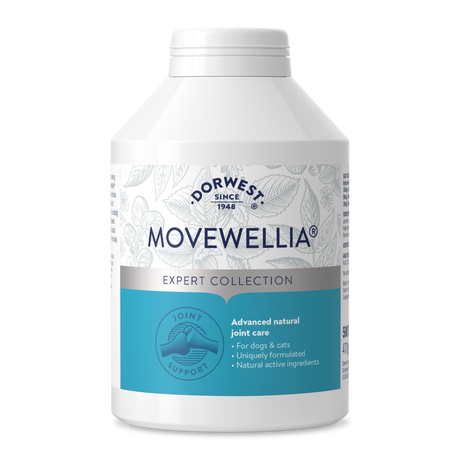
For older dogs or those needing a little extra support, our award-winning MoveWellia® Tablets provide advanced joint care with Boswellia to help maintain comfortable movement and mobility.

When should I speak to my vet about my dog's joints?
You know what's normal for your dog better than anyone.
If you notice a sudden limp, persistent stiffness, reluctance to move, difficulty getting up or any other noticeable change in the way your dog moves, it's always worth speaking to your vet.
Joint problems can have lots of different causes, and getting the right advice means you can find the best way to support your individual dog.
And remember, being a breed that's more prone to joint problems doesn't mean your dog is destined to develop them.
Whether they're a bouncy Labrador, a tiny Yorkshire Terrier or something completely unique, a healthy weight, regular appropriate exercise and a little extra joint support can all help keep them moving, playing and enjoying the things they love.
If you have any questions or need help choosing which joint support is best for your pet, feel free to contact our friendly team of product experts on 01308 897272 or email info@dorwest.com.