If your dog has a sensitive stomach, finding a food that really suits them can take a little trial and error. Some dogs may experience softer stools, excess wind or an upset stomach when a diet doesn’t quite agree with them. If these kind of digestive issues are a regular problem, it may be worth looking at whether changing your dog’s food could better suit them or speaking to your vet.
There are plenty of other reasons for switching dog food, whether you're trying a new dog food brand, you have a new dog or puppy or you're weaning puppies from milk onto solid food. Whatever the reason for changing your dog’s diet, it’s best to take things gradually. If you’re wondering how to switch dog food or how to transition your dog to new food, a slower change gives their digestive system time to adjust and makes it easier to keep an eye on how they’re getting on.
If you’re changing your dog’s food because their current food has been recalled, don’t follow a gradual transition unless you’ve been specifically advised to do so. Stop feeding the recalled food and follow the manufacturer’s, retailer’s or your vet’s advice.
Why should you change your dog’s food gradually?
Even dogs without a particularly sensitive stomach can sometimes develop an upset stomach after a sudden change in diet.
A new food may contain different ingredients, protein sources, fibre levels or fat content, and your dog’s digestive system may simply need a little time to get used to it.
This can be particularly important for dogs who already experience dog digestive issues or have a history of a sensitive stomach.
Switching dog food gradually also means that if your dog develops softer stools or other signs of digestive upset, it is easier to slow things down and give them more time before moving onto the next stage.
How to transition your dog to new food
For many dogs, a gradual change over around 7–10 days works well.
Days 1–2
Start with around 75% of their current food and 25% of the new food.
Days 3–4
If everything seems settled, move to around 50% current food and 50% new food.
Days 5–6
Increase the new food again, aiming for around 75% new food and 25% current food.
Days 7–10
If your dog is getting on well, gradually move over to 100% of their new food.
There’s no need to stick rigidly to this timetable. Some dogs adjust quickly, while others are happier taking things more slowly. Here is an easy to read infographic to help explain the transition:

If you’re changing dog food for a dog with a sensitive stomach, you may want to stay at each stage for a little longer and only increase the amount of new food once their digestion seems settled.
Can changing dog food cause an upset stomach?
Sometimes, yes. A sudden food change can be a lot for your dog’s digestive system to adjust to at once, particularly if their new food is very different from what they are used to eating. This doesn’t necessarily mean that the new food is unsuitable. In some cases, your dog may simply need a slower transition.
Keeping an eye out for dog upset stomach symptoms while changing their food can help you judge whether you need to slow the process down.
Dog upset stomach symptoms: what should you look out for?
When you’re changing your dog’s diet, it’s worth paying a little extra attention to what’s normal for them.
Common dog upset stomach symptoms can include:
- Softer or looser stools
- Changes in how often they poo
- More wind than usual
- Vomiting
- A reduced appetite
- Changes in their usual behaviour
For dogs with a sensitive stomach, you may already be familiar with some of these signs.
A slightly softer poo can sometimes happen while a dog is adjusting to a new food, but if diarrhoea continues, they are repeatedly vomiting, stop eating or seem unwell in themselves, it’s always best to speak to your vet.
You can also explore our Digestive Health collection for supplements designed to support dogs with sensitive tummies, loose stools and everyday digestive needs.

What if my dog gets loose stools when switching dog food?
Loose stools are often one of the first things owners notice when switching dog food hasn’t quite gone to plan.
If your dog is otherwise bright and well, it may simply mean the transition is happening a little too quickly. Try returning to the previous ratio of old and new food and staying there for a few extra days before moving on.
It can also help to keep everything else as familiar as possible. Introducing a new food alongside new treats, chews and table scraps can make it much harder to work out what might be affecting their digestion.
How to help naturally firm up your dog's poo
If your dog needs some additional digestive support during a food change, Tree Barks Powder can be a useful product to have to hand.
Made with slippery elm, marshmallow root and white poplar bark, it can be mixed into food and is formulated to support comfortable digestion and help maintain normal stool consistency. It can be particularly handy during periods of dietary change, when your dog’s digestion may be a little more sensitive than usual.
How can I support my dog’s gut health when changing their diet?
There’s a lot going on inside your dog’s gut. It is home to a whole community of microorganisms, known collectively as the gut microbiome, which plays an important role in digestion and general wellbeing.
Because diet can influence the gut environment, changing your dog’s diet gradually can be a gentler way to introduce new ingredients.
Alongside choosing a suitable diet for dogs with digestive issues or a sensitive stomach, maintaining a regular feeding routine and making sure fresh water is always available can help support your dog during the transition. You may also want to provide some additional nutritional support for their gut.
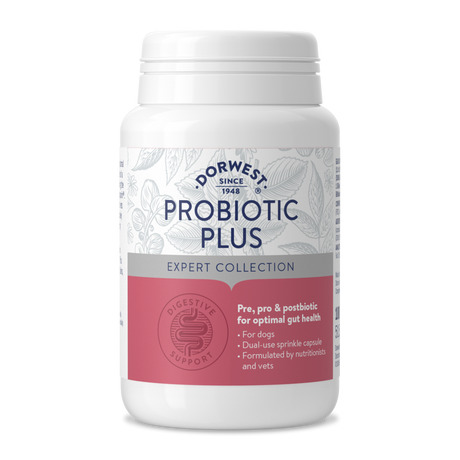
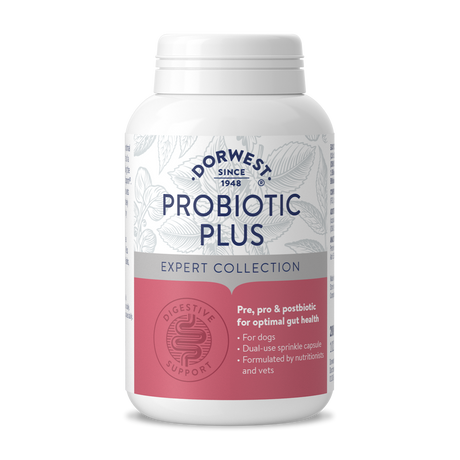
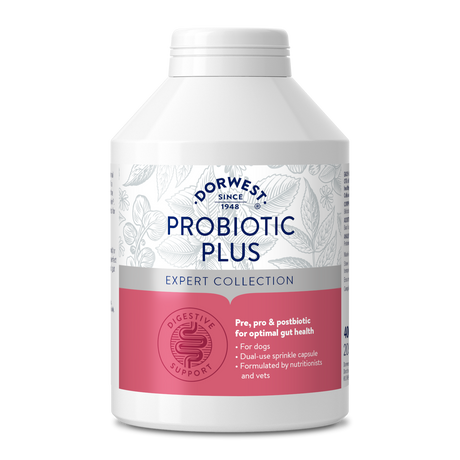
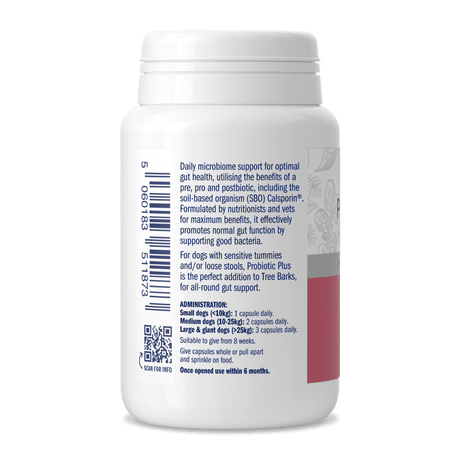
Probiotic Plus combines prebiotic, probiotic and postbiotic ingredients to provide everyday digestive and gut support and help maintain a healthy balance within the gut microbiome.

It can be especially useful when your dog’s normal diet or routine is changing and you want to give their digestive system a little extra support.
For more options, take a look at our full Digestive Health collection.
How to switch dog food for a dog with a sensitive stomach
Some dogs simply need more time than others.
If your dog has a sensitive stomach, there’s nothing wrong with stretching the food transition out beyond 7–10 days. You might keep them at each stage for several extra days and only increase the amount of new food once their digestion seems settled.
It’s also worth thinking about the food itself. If your dog regularly experiences dog digestive issues, speak to your vet about their diet and whether a different food may be more suitable for their individual needs.
You can also browse our digestive supplements for dogs for extra nutritional support alongside a suitable diet.
If digestive problems are a regular issue, your dog has known food sensitivities, an existing health condition or is eating a veterinary-prescribed diet, speak to your vet before making a significant change.
Can you switch dog food between kibble, wet food and raw food?
Yes, but it’s still a good idea to make the change gradually.
Kibble, wet food and raw diets can differ considerably in moisture, ingredients and nutritional composition, so moving between them can be a bigger adjustment than simply switching dog food from one brand to another. Be sure investigate how to switch dog foods in more detail, especially if you're moving a dog from kibble or wet food to raw food. Whatever type of food you choose, make sure it is suitable for your dog’s age, lifestyle and individual nutritional needs.
Changing your dog’s diet? Don’t forget about portion sizes
When you’re mixing two foods together, it can be surprisingly easy to accidentally overfeed.
Rather than giving your dog their normal portion of both foods, use the recommended feeding amounts as a guide and keep their total daily intake appropriate for their size and needs. Every dog is different, so their ideal portion will also depend on things like age, weight, activity levels and body condition.
Tips for switching dog food smoothly
A little preparation can make switching dog food much less stressful:
- Introduce new food gradually rather than overnight
- Take things more slowly
- If you know your dog has a sensitive stomach, add Tree Barks Powder to every meal during the transition of dog food
- Keep mealtimes as consistent as possible
- Avoid introducing lots of new treats at the same time
- Make sure fresh water is always available
- Keep an eye out for dog upset stomach symptoms
- Monitor appetite and stool consistency
- Slow the transition down if your dog needs a little more time
- Consider extra digestive and gut support where appropriate
How to support puppies when weaning onto solid food
Weaning is a big milestone for puppies, and it’s also a significant change for their digestive systems.
For the first few weeks of life, puppies rely completely on their mother’s milk. As they grow, they gradually begin to explore and eat solid food, with suitable puppy food introduced alongside milk before eventually becoming their main source of nutrition.
It’s very much a gradual process rather than an overnight switch.
As puppies become more confident eating, the consistency of their food can slowly be adjusted until they are comfortable eating their normal puppy diet.
Just like changing an adult dog’s food, puppies may develop softer stools while their digestive system gets used to something new.
What if puppies have loose stools during weaning?
A change in poo consistency can sometimes happen during weaning, particularly while puppies are learning to digest new foods.
Tree Barks Powder can be used from weaning age and can provide additional digestive support during this period, helping to maintain normal stool consistency while puppies adjust to eating solids.
Because young puppies can become poorly or dehydrated quickly, it’s important to keep a close eye on them. Persistent diarrhoea, vomiting, lethargy, loss of appetite or any concerns about how a puppy is developing should always be discussed with your vet.

Bringing home a new puppy?
Bringing a puppy home is exciting, but it can also be a lot of change for them all at once. A new home, new people, new smells and sometimes a new food can all happen within the space of a day.
If possible, keep them on the same food they were eating with their breeder or rescue centre at first. Once they’ve had a little time to settle, you can begin changing your puppy’s food gradually using the same step-by-step approach above.
Keeping their food familiar during those first few days also gives you one less variable to worry about while you get to know what is normal for your new puppy.
Take changing your dog’s food at their pace
There isn’t one perfect food transition plan that works for every dog.
Some will happily move onto something new within a week, while dogs with a sensitive stomach or existing digestive issues may need a little longer. The same gradual approach applies whether you’re changing an adult dog’s food, bringing home a new puppy or weaning puppies onto solids.
So, if you’re wondering how to transition your dog to new food, the most important thing is not to rush. Make the change steadily, keep an eye on how their digestion is responding and adjust the pace if needed.
A little patience at the start can make changing your dog’s diet much easier on their tummy — and on you.
If you have any questions or need help choosing which joint support is best for your pet, feel free to contact our friendly team of product experts on 01308 897272 or email info@dorwest.com.