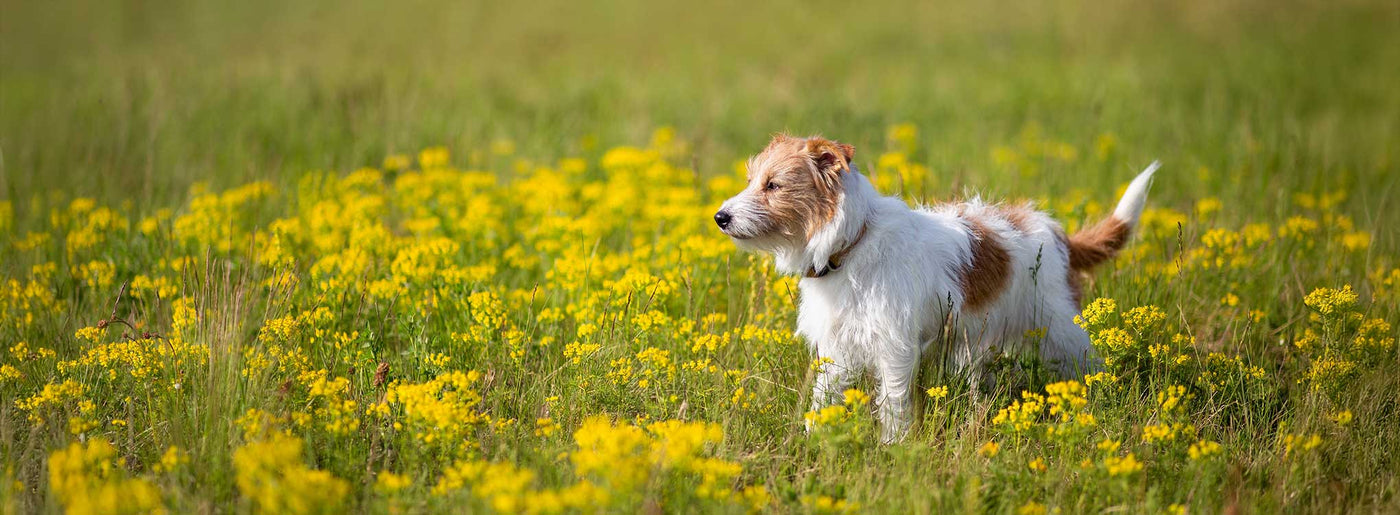
Diarrhoea in dogs has a habit of appearing at the worst possible moment. One minute everything seems normal, and the next you are dealing with messes inside the house, repeated toilet trips, and wondering whether it is something to worry about.
Dog diarrhoea can vary from soft, smelly poos to watery stools, mucus, or even blood. But if your dog has diarrhoea and is otherwise acting normally, what does that actually mean? And what can you do to help?
In many cases, mild diarrhoea will settle within a day or two with a few simple steps at home. The key is knowing what is normal, what is not and when your dog may need extra support!
Canine diarrhoea explained
Canine diarrhoea means your dog is passing loose, watery, or more frequent stools than usual. It is very common and can happen for all sorts of reasons, from eating something that did not agree with them to stress or a sudden change in diet.
Mild cases often clear up within 24 to 48 hours. If your dog needs a little extra digestive support during these unexpected ‘oops’ moments, Tree Barks Powder is one of our bestsellers which we frequently recommend to our customers. Expertly formulated & 100% natural, it contains a blend of slippery elm bark to help maintain bowel regularity and stool consistency, marshmallow root to coat and soothe the gut, and white poplar bark to help keep tummies comfortable. It's perfect to have in the cupboard ready for when stools become loose or stomachs become unsettled.
However, if your dog's diarrhoea is severe, keeps coming back, contains blood, or comes with other signs like vomiting or lethargy, it is important to speak to your vet.
Common types of dog diarrhoea and what they can mean
A healthy canine poo should be medium brown in colour, firm enough to pick up easily, but slightly moist, so not hard or brittle. Below are the most common types of dog diarrhoea and what they could be telling you.
- Watery diarrhoea in dogs: Watery stools often indicate that the digestive tract is moving too quickly, leaving no time for fluid absorption.
- Yellow diarrhoea in dogs: Yellow stools are usually a sign of rapid transit time. When food moves through the gut too quickly, the bile (which starts green/yellow) does not have time to break down and turn the stool brown.
- Smelly diarrhoea in dogs: While no dog poo smells like roses, excessively foul, rancid-smelling diarrhoea can suggest a bacterial imbalance or a parasitic infection like Giardia.
- Bloody diarrhoea in dogs: Seeing red streaks can be scary. Small amounts of fresh blood could mean the lower bowel is irritated or something more serious, so it is time to speak to a vet.
- Mucus in dog diarrhoea: Mucus looks like a slimy, jelly-like coating on the stool. This is actually produced by the colon to protect its lining during inflammation or irritation. It’s a common sign of colitis, but we'd always recommend checking with a vet by providing a stool sample.
Common causes of diarrhoea in dogs
Diarrhoea in dogs generally falls into two categories — acute (sudden and short-lived) and chronic (persistent or recurring). Understanding which one you're dealing with can help you decide whether a wait-and-see approach is appropriate or whether a vet visit is needed.
Sudden & acute dog diarrhoea
When diarrhoea appears suddenly and usually resolves within a day or two. The most common causes include:
- Dietary issues: Scavenging in the garden, raiding the bin, or eating something that does not agree with them.
- Sudden diet changes: Switching food too quickly without a gradual transition.
- Viral or bacterial infections: Such as parvovirus or salmonella.
- Times of stress: Kennels, travelling in the car, fireworks, a new pet or home environment can all trigger an upset stomach.
- Medication side effects: Antibiotics can often disrupt gut bacteria and cause loose stools.
- Parasites: Worms or Giardia picked up from contaminated water or soil.
Recurring & chronic dog diarrhoea
If canine diarrhoea lasts more than 48 hours, or keeps coming back, it is usually a sign that something more serious needs investigating. Common causes include:
- Inflammatory bowel disease (IBD)
- Food intolerances
- Colitis
- Exocrine pancreatic insufficiency (EPI)
- Tumours affecting the digestive tract
- Other medical issues
Whether your dog's diarrhoea is acute or chronic, if symptoms are severe, persistent, worsening, or accompanied by other symptoms, always consult your vet.
Why does my dog have diarrhoea but is acting fine?
If your dog is still active, eating well, and acting fine with no signs of vomiting, it's usually a sign that something mild has upset their digestive system rather than anything more serious. The most likely culprits are:
Eating something they should not have on a walk
Dogs are naturally curious, and many will happily sniff, lick or eat things they find outdoors — including other animals’ faeces. Whether it is fox poo, bird droppings or another dog’s mess, these can all contain things that may upset your dog’s stomach and lead to loose stools. If your dog is prone to this habit, you may also find our article on why dogs eat poo helpful.
A sudden food change or a new treat
A change in food, too many treats, or even one ingredient that does not quite agree with your dog can be enough to trigger a short-lived digestive upset. Rich foods, dairy ingredients, or unfamiliar treats are all common culprits.
Stress or excitement
Just like us, some dogs show stress through their digestion. Changes in routine, travel, kennels, fireworks, visitors or unfamiliar situations can all lead to loose stools, even when your dog otherwise seems perfectly well in themselves.
In these cases the gut is reacting but the rest of the body is coping fine. As long as your dog is drinking, staying energetic, and there's no blood in their stool or vomiting, it's generally safe to monitor them at home for 24–48 hours before deciding whether a vet call is needed.
To help speed up recovery, try fasting for 12 hours, then offer a gentle bland diet of boiled rice and chicken, and make sure they are drinking plenty of water. You can also give them our bestselling Tree Barks Powder to naturally soothe and settle their digestive tract and maintain firm stools.

Should I be worried if my puppy has diarrhoea but is still playful?
Puppies are more vulnerable than adult dogs when it comes to diarrhoea, so even if your puppy seems playful and full of energy it's worth taking it a little more seriously than you would with an adult dog.
Puppies can dehydrate quickly, and their immune systems are still developing, which means what starts as a mild stomach upset can deteriorate faster. Common causes in puppies include dietary changes, stress from a new environment, parasites, or a reaction to their vaccinations.
If your puppy has had one or two loose stools but is eating, drinking, and playing normally, monitor them closely for 24 hours. However if the diarrhoea is frequent, watery, contains blood or mucus, or is accompanied by vomiting or lethargy, contact your vet promptly rather than waiting it out.
How long does dog diarrhoea last?
Mild diarrhoea often clears up within 24 to 48 hours, especially if your dog is still bright, active and eating normally. A short-lived upset can happen after eating something they should not have, a food change, or even stress.
If it lasts longer than 48 hours, keeps coming back, or appears alongside other symptoms, it is best to speak to your vet.
Should I be worried if my dog has diarrhoea but is acting normal?
If your dog still seems bright and well, that is often reassuring. But even when they seem fine, diarrhoea should not be ignored if it:
- lasts more than 48 hours
- contains blood
- is very frequent or severe
- comes with vomiting
- happens in a puppy, older dog, or a dog with other health issues
- keeps returning
- comes with other changes, such as not eating or weakness
If something does not feel right, trust your instincts and speak to your vet.
My dog has had diarrhoea for 3 days — is that too long?
If your dog has had diarrhoea for 3 days or more, we would recommend contacting your vet. Mild cases usually settle within a day or two, so anything lasting longer may need checking with a professional to help you determine the cause.
My dog has diarrhoea and is not eating
If your dog has diarrhoea and is also off their food, it is more of a concern than diarrhoea alone. If they miss multiple meals or seem flat in themselves, speak to your vet.
My dog has diarrhoea and trouble walking
Diarrhoea with weakness, wobbliness or trouble walking should always be taken seriously. Contact your vet as soon as possible.
My dog has bloody diarrhoea but is acting fine
Even if your dog seems normal, blood in the stool is not something to ignore. Mild irritation can sometimes cause it, but it is best to speak to your vet, especially if it happens more than once.
Why does my dog always have diarrhoea?
If your dog gets diarrhoea regularly, there may be an underlying reason, such as a sensitive stomach, stress, diet, or a longer-term digestive issue.
It can help to keep a note of foods, treats or routine changes to spot patterns. If it keeps happening, speak to your vet. A qualified pet nutritionist may also be helpful if diet could be playing a part.
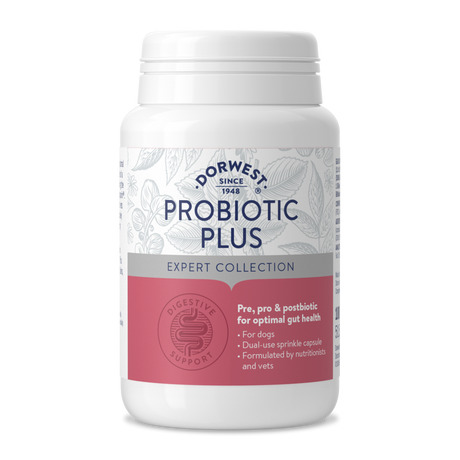
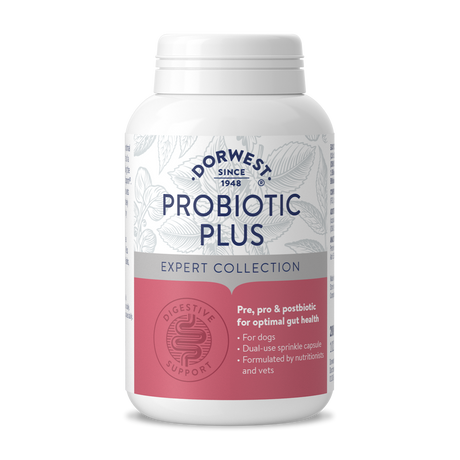
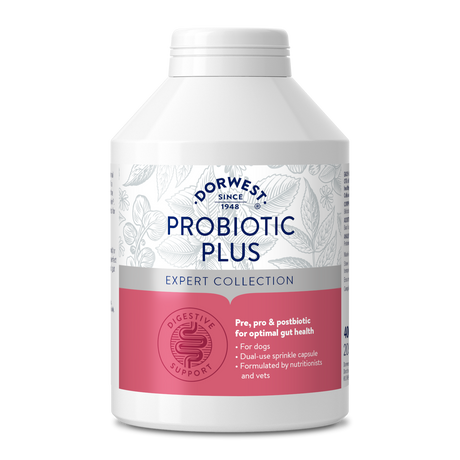
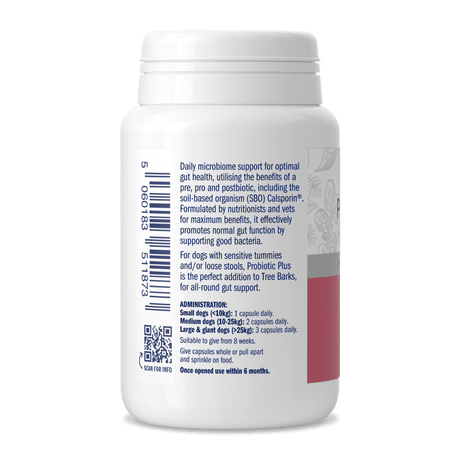
For dogs who are prone to recurring digestive upsets, using Tree Barks Powder alongside our Probiotic Plus can be a useful choice for daily digestive support. With pre, pro, and postbiotics, it helps support a balanced gut microbiome and everyday digestive health.

Colitis in dogs
Colitis is inflammation of the large bowel and can cause loose stools, urgency, mucus and sometimes small amounts of fresh blood.
It can be triggered by stress, dietary changes or eating something they should not have. If it keeps happening, speak to your vet.
How can I help my dog at home if they have diarrhoea?
If your dog seems bright and well, focus on the basics: plenty of fresh water, simple food, and avoiding rich treats or anything unfamiliar.
If your dog is prone to occasional digestive upsets, gentle digestive support can also be useful to keep on hand.
What to feed a dog with diarrhoea
It is usually best to keep meals plain and gentle for a short time, such as boiled chicken and rice, before gradually returning to their usual food.
If your dog has a sensitive stomach or loose stools keep coming back, it may be worth reviewing their diet with your vet or a qualified pet nutritionist.
What can I give my dog to stop diarrhoea fast?
There is rarely an instant fix — the aim is usually to support the gut while it settles.
For mild upsets, hydration, fasting or keeping them on a simple diet and giving their stomach time to settle are often the best first steps. If your dog needs a little extra support, Tree Barks Powder is always an option! With slippery elm bark to help maintain bowel regularity and stool consistency, marshmallow root to coat and soothe the gut, and white poplar bark to help keep tummies comfortable, it offers gentle support when stools become loose or unsettled.
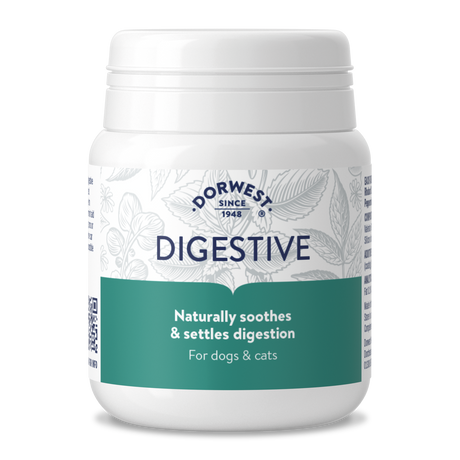
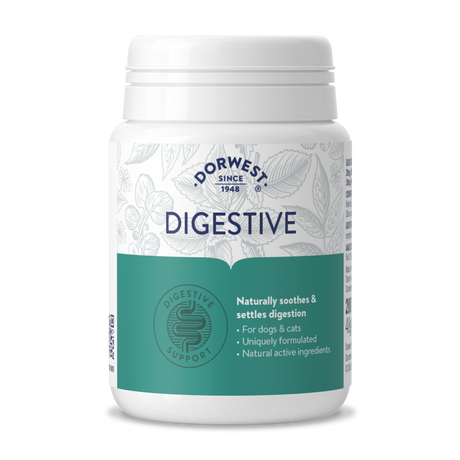
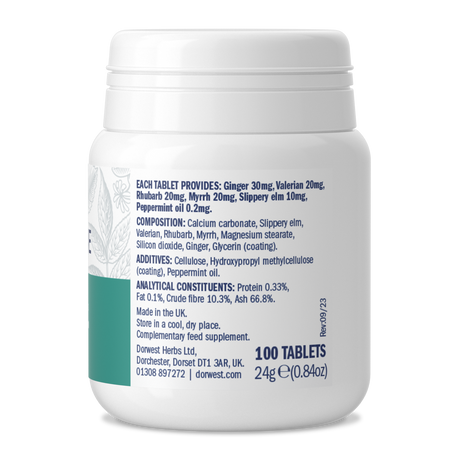
If your dog’s digestion is easily affected by travel or nerves, Digestive Tablets are a popular option! They are particularly useful for nervous travellers, car sickness, and windy or gurgly tummies, offering gentle support with ginger, rhubarb and peppermint and slippery elm bark to help soothe the stomach.
If symptoms are severe, last more than 48 hours, or come with other worrying signs, contact your vet.
Looking for digestive support for your dog?
If your dog is prone to occasional digestive upsets, the Dorwest team can help you find the most suitable digestive support for their needs. Whether that is Tree Barks Powder for sudden ‘oops’ moments, Digestive Tablets for unsettled tummies linked to travel or nerves, or Probiotic Plus for daily digestive support, there are gentle options to suit different needs.
If you have any questions or need any help choosing which product is best for your pet's health - feel free to reach out and contact us our expert and friendly team on 01308 897272 or email info@dorwest.com.
For more top tips and behind-the-scenes updates, follow us on Facebook, Instagram or TikTok!