With the arrival of warmer weather and rising pollen levels, spring and summer can be a tricky time for many dog owners in the UK. While we all look forward to longer evening walks, trips to the pub garden and days out on the beach, this is also the time of year when we tend to see more customer concerns around their dogs’ skin and seasonal sensitivities.
If your dog is scratching more than usual in the summer, licking their paws, or showing signs of irritation on their stomach or skin, there could be a number of seasonal factors at play. High pollen counts, grass seeds, dust mites, warmer temperatures and increased flea activity can all contribute to your dog’s skin feeling more sensitive during the summer months.
Seasonal allergens like grass and pollen can cause frequent scratching in summer. Dog pollen allergy symptoms can often mirror human hay fever but manifest through the skin rather than watery eyes. Common signs include:
- Frequent paw licking and biting
- Red or inflamed skin, particularly around their legs, stomach and groin
- Head shaking or ear flapping
- Rubbing or scratching around their face and muzzle.
Environmental allergens often play a significant role in itchy skin, particularly when the skin’s natural protective layers are compromised.
While you can’t wrap your dog in bubble wrap for the summer, there are some extra things you can do in their everyday routine to help soothe their summer itch. Here are 4 practical, expert-backed steps to provide summer skin support for dogs and keep them comfortable naturally.
How to help an itchy dog in summer: 4 practical steps
1. Give their bed a regular refresh
Your dog’s bed might be their favourite place to curl up after a walk, but in spring and summer it can also pick up all sorts — pollen, dust, grass seeds, sticky burrs and whatever else they’ve carried in from outside.
If your dog has been rolling on the lawn, charging through long grass or snoozing outside, some of that outdoor build-up can cling to their coat and then transfer straight onto their bedding. For dogs who are already a bit sensitive during the warmer months, a fresh, clean bed can make that space little bit more comfortable.
Try to wash blankets, crate mats and removable bed covers regularly during peak pollen season. It’s also worth hoovering the areas they love most — sofas, rugs, carpets and anywhere they like to have a post-walk flop.
A gentle, pet-safe laundry detergent is best, especially if your dog’s skin is already feeling a little sensitive. Strongly scented products can sometimes be a bit much for dogs, even if they smell lovely to us.
2. Wipe or wash them down after walkies
Dogs explore the world nose-first, so it’s no surprise they can pick up a fair bit after a summer walk or after running through long grass or brush. Paws, legs, bellies and muzzles tend to be the main areas where pollen, dust and grass can cling.
This is especially true for low riders like Yorkies, Dachshunds and Corgis, who often come back from walks with various bits of foliage attached to their legs and tummy.
Keeping a damp cloth or alcohol-free pet wipe by the door makes it easy to give them a quick once-over when you get home. Focus on the paws, between the toes, legs, belly and around the muzzle if they’ve been snuffling through long grass.
On warmer days, it might be easier to rinse them off in the bath or with a hose in the garden, as this can wash any debris as well keep them cool in warmer weather.
After grassy walks, it’s also worth checking for grass seeds or sticky burrs. These can easily get caught between toes, around ears or in longer coats, so a quick check after walks is a good summer habit to get into.
For longer-haired dogs, regular brushing can help remove anything trapped in the coat. Some owners also choose a light summer trim around the belly and paws to make cleaning up after walks a bit easier.
3. Look after their skin from the inside
When it comes to skin, what goes into the bowl can matter just as much as what happens on the outside.
A good, balanced diet helps support your dog’s overall health, including normal skin and coat condition. During spring and summer, when pollen, grass and warmer weather are part of everyday life, it can be helpful to give their skin some extra nutritional support.
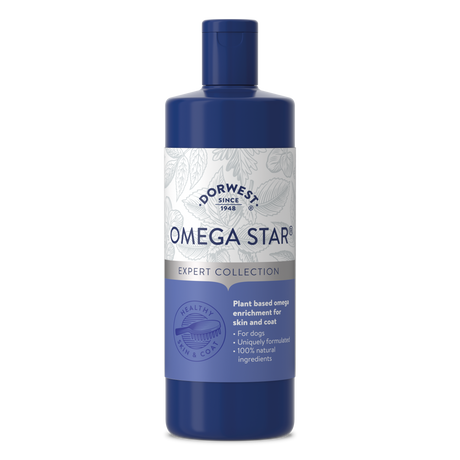
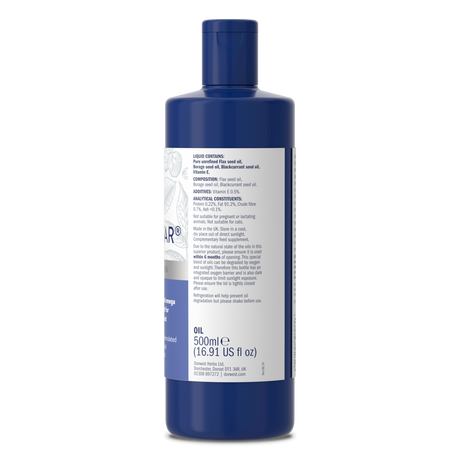
Essential fatty acids, such as Omega-3 and Omega-6, are important for maintaining healthy skin and a glossy coat. We'd recommend adding our popular Omega Star® to help supplement their diet, it is expertly formulated with cold-pressed flaxseed, borage and blackcurrant seed oils, providing Omega-3 and 6 fatty acids, including GLA.
It’s also a good idea to keep their diet nice and consistent during peak summer months. Sudden changes to food, treats or protein sources can be another thing for sensitive dogs to deal with, especially if they’re already having a scratchy season.
And of course, don’t forget the water bowl. Fresh water is always important, but even more so in warmer weather.
4. Add herbal skin support to their daily routine
Alongside regular washing, post-walk wipe downs and good nutrition, herbal supplements can be a simple addition to your dog’s summer routine.
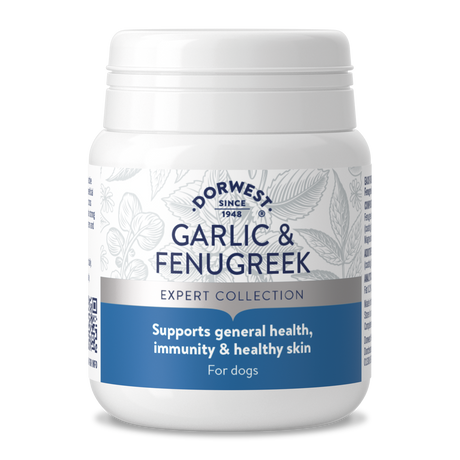
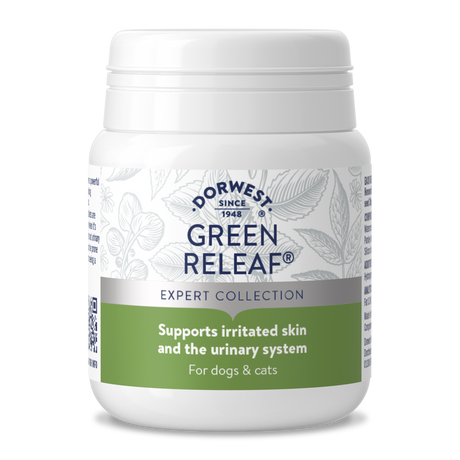
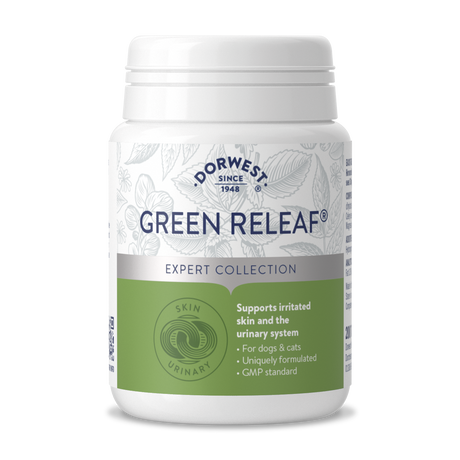
Our bestselling skin duo brings together two of our much-loved herbal products: Garlic & Fenugreek Tablets and Green Releaf® Tablets. It’s a popular choice for owners looking to support their dog’s normal skin health, particularly during the spring and summer months.
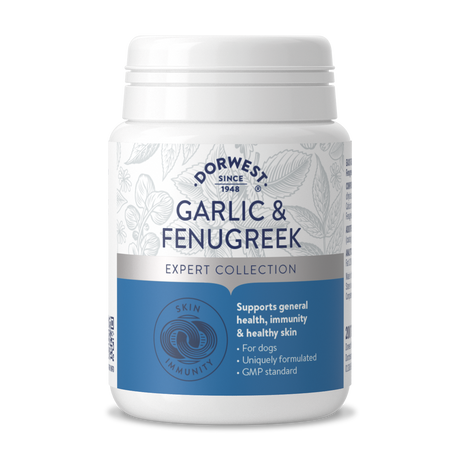
Garlic & Fenugreek Tablets have been a customer favourite for over 60 years and are traditionally used to support general health, skin condition and everyday wellbeing.
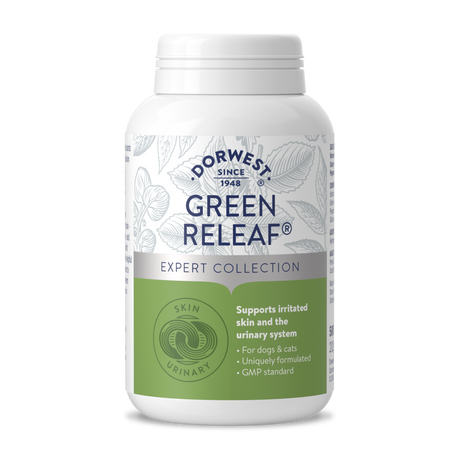
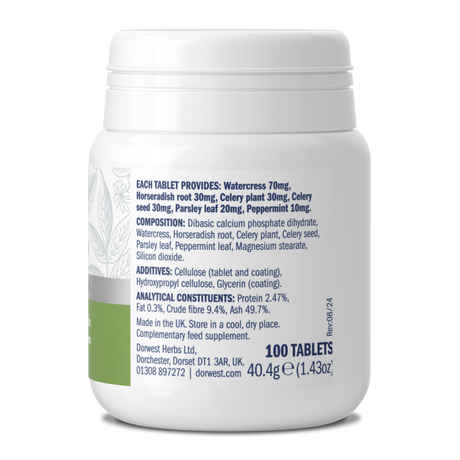
Green Releaf® Tablets are made with a naturally green blend of plants, including nettle, celery seed and cleavers. They’re often chosen as part of a seasonal routine for dogs who need a little extra skin support when the warmer weather arrives.
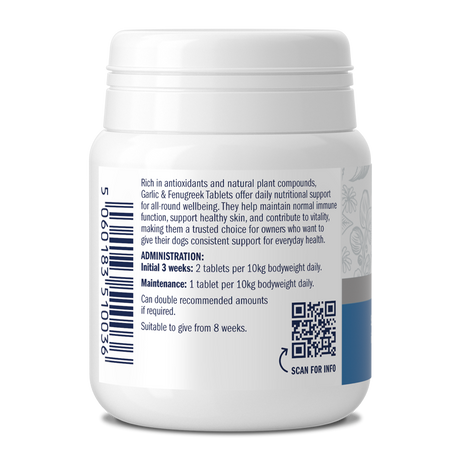
Simply add the tablets to your dog’s daily meals, it often takes around 3 weeks to build up in their system, helping to support their skin from the inside out.
Is it pollen, fleas or something else?
Summer scratching can be a bit of a guessing game. Pollen, grass, heat, dust, fleas and even long walks through dry fields can all play a part, so it helps to look at when and where your dog is scratching.
| Possible trigger |
Signs you might notice |
Common areas |
| Seasonal outdoor exposure |
Paw licking, face rubbing, belly scratching, red-looking skin or ears, often worse after walks or on high-pollen days |
Paws, muzzle, eyes, belly and armpits |
| Fleas or flea sensitivity |
Sudden biting or nibbling, red bumps, dark “flea dirt” in the coat |
Base of tail, lower back, groin and neck |
If you’re not sure what’s causing it, or your dog seems really uncomfortable, it’s always best to speak to your vet.
When to speak to your vet about scratching
A little scratch here and there is normal, especially in the summer or after a walk. But if your dog is constantly licking, chewing, scratching or seems uncomfortable, it’s worth getting them checked.
Speak to your vet if you notice:
- Constant scratching, licking, biting or chewing
- Red, broken, bleeding or weeping skin
- Bald patches or sudden hair loss
- Frequent head shaking or ear rubbing
- A strong smell from the ears or skin
- Sudden paw licking or limping after a walk
Your vet can help work out what’s going on and advise on the best next steps.
Help your dog feel more comfortable this summer
Summer should be about walkies, garden naps, pub garden trips and beach days — not constant scratching.
A few small changes to your dog’s routine can really help. Keep their bedding fresh, wipe away pollen and grass after walks, support their skin through their diet and add trusted herbal support where needed.
Looking for natural summer skin support? Pair our Garlic & Fenugreek and Green Releaf® to help support your dog’s skin throughout the warmer months.
If you have any questions or need help choosing which skin support is best for your pet, feel free to contact our friendly team of product experts on 01308 897272 or email info@dorwest.com.