
Esther Logue is a qualified Nutritional Therapist specialising in naturopathic approaches to health and wellbeing. With a passion for nutrition, gut health and holistic care, Esther is dedicated to helping both humans and dogs achieve optimal health naturally.
Her journey into canine nutrition began in 2019, leading her to further deepen her knowledge by completing a Diploma in Naturopathic Nutrition between 2022 and 2025. Esther believes that true wellbeing starts from within and is passionate about educating and supporting owners to help their dogs, and themselves, live healthier, happier lives.
Expert insights on dog gut health from Nutritional Therapist, Esther Logue
When it comes to your dog’s health, the gut is the most important foundation of overall wellbeing. While many think the digestive system simply processes food, your dog’s gut actually influences every part of their body, from immunity and skin health to energy levels, behaviour and longevity.
As a nutritionist, I believe that a healthy dog starts from within. Supporting the gut can help your dog feel healthier, happier and more balanced both physically and emotionally.
What is gut health in dogs?
Your dog’s gut refers to the entire digestive tract, beginning at the mouth, travelling through the stomach and intestines, and ending at the colon. This system is responsible for breaking down food, absorbing nutrients, eliminating waste and protecting the body from harmful substances.
Inside the digestive tract lives the gut microbiome, a delicate ecosystem made up of trillions of bacteria, fungi and other microorganisms. These microbes play a vital role in maintaining balance within the body. Although there is still much to learn about the microbiome, we know it plays a crucial role in overall health.
Beneficial bacteria help digest food, support nutrient absorption and strengthen the immune system. Around 70% of your dog’s immune system resides in the gut [1]. When the microbiome is as healthy and balanced as it can be, the body is better able to function as it should. When this balance becomes disrupted, it can affect a lot more than digestion alone.
The gut contains a mucosal barrier, which forms part of the first line of defence in the immune system. The barrier is made of three layers: mucus, epithelium and immune cells. It is incredibly important, as it helps prevent toxins from entering the blood.
Why gut health matters for overall wellbeing
The gut is often referred to as the “second brain” because of the strong connection between the digestive system and the nervous system.
It plays an important role in producing neurotransmitters, which are chemical messengers that influence mood, behaviour and stress responses. One of the most important is serotonin, often known as the “happy hormone.” Interestingly, up to 90% of serotonin is produced in the gut [2].
When your dog’s gut is balanced and thriving, it can support calm behaviour, emotional balance and healthy stress responses. However, when the gut becomes imbalanced, a common condition known as dysbiosis, this can impact neurotransmitter production and contribute to anxiety, stress and behavioural changes.
Gut health also influences:
- Immune strength
- Skin and coat condition
- Energy levels
- Nutrient absorption
- Inflammation within the body
- Long-term vitality and longevity
How your dog’s diet can influence gut health
Diet is one of the biggest factors affecting your dog’s health.
A natural, species-appropriate diet provides the nutrients needed to feed beneficial bacteria and support digestive and overall health. Whole foods such as quality meat and vegetables help nourish the gut microbiome and maintain diversity within it.
Having worked for a raw dog food company for many years, I saw first hand how feeding meat, bone and offal alongside small amounts of vegetables could have a hugely positive impact on a dog’s health. However, raw feeding isn’t the only option, and well-balanced home-cooked diets or higher-quality complete kibbles can also be suitable for many dogs when carefully chosen.
As a general rule, it is best to avoid highly processed diets, additives and poor-quality ingredients, as these can negatively affect the bacteria in the gut. Just like us, dogs thrive when their diet nourishes the body rather than placing additional stress on it.
Signs your dog’s gut may need support
Digestive imbalances can appear in many different ways, not just through stomach issues. Some common signs your dog’s gut may need support include:
- Loose stools or diarrhoea
- Constipation
- Excessive gas
- Bad breath
- Itchy skin or recurring ear issues
- Low energy
- Anxiety or irritability
- Excessive licking or chewing paws
- Food sensitivities
- Frequent illness
What can disrupt gut health?
Dogs are exposed to many things that can disrupt their digestive system. Some of the most common include:
- Processed foods with synthetic vitamins added in
- Poor-quality meat
- Stress and anxiety
- Antibiotics
- Medications
- Environmental toxins, such as cleaning products
While antibiotics are sometimes necessary, they can also reduce beneficial bacteria. This can leave the gut depleted and vulnerable if not properly supported.
If your dog is prescribed antibiotics, it is recommended to speak to your vet about whether probiotics may be suitable alongside them and after the course is finished.
Fibre, prebiotics and probiotics
Fibre plays an important role in feeding beneficial gut bacteria, while also supporting healthy digestion, gut motility and stool quality. Natural sources of fibre include vegetables, herbs and certain fruits. Because dogs are primarily carnivorous and do not produce salivary amylase like humans, it is recommended that fruit and vegetables should make up only around 5–10% of their daily diet [3].
Prebiotics are specialised fibres that nourish beneficial bacteria living within the gut, helping them grow and thrive. Probiotics are live beneficial bacteria that help replenish and support the gut microbiome.
If you're concerned about your dog's gut health or want to improve it, as well as a balanced diet and healthy daily habits, some dogs may benefit from a little extra support. This is where quality supplements from reputable brands can be helpful as part of their everyday routine.
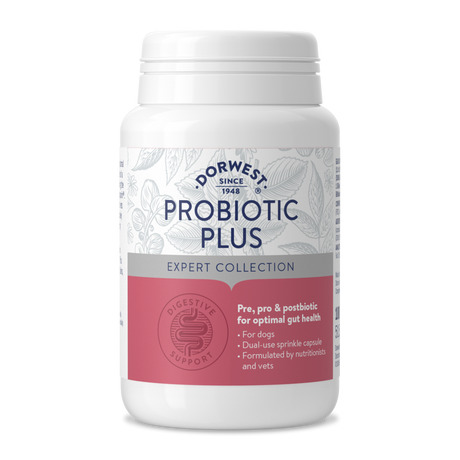
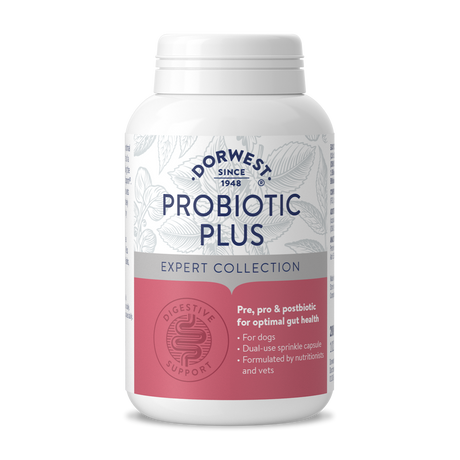
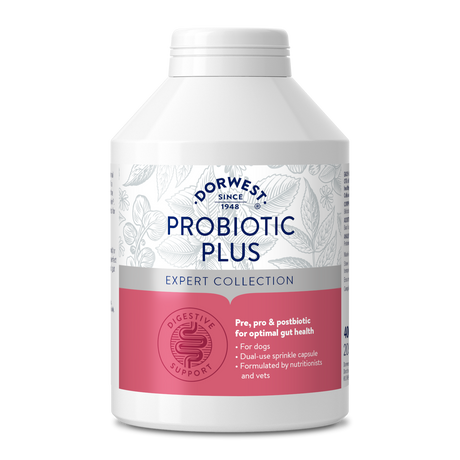
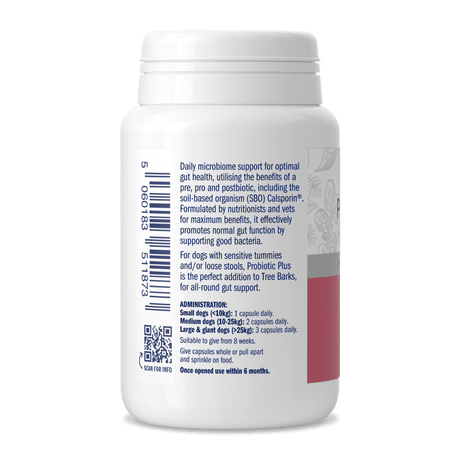
Dorwest’s Probiotic Plus contains prebiotics, probiotics and postbiotics to comprehensively support the gut microbiome. It helps promote healthy gut function, particularly in dogs experiencing mild to more persistent digestive issues.
Tree Barks Powder is another gentle option for digestive support. Its soothing blend of slippery elm bark, marshmallow root and white poplar bark helps support the mucosal lining and encourage comfortable digestion. This can be a great choice for dogs who suffer from acid reflux or have an upset stomach.
Every dog is different, but by focusing on nutrition, routine and natural digestive support, you can help care for your dog’s gut health from the inside out. Dorwest has a natural range of digestive supplements to help your dog on their gut health journey and have a team of helpful product experts if you ever need any advice.

Natural ways to support gut health daily
Small daily habits can make a significant difference over time. Some ways to support gut health include:
- Feeding a fresh, balanced, species-appropriate diet
- Using high-quality supplements such as Probiotic Plus, Tree Barks Powder or Bone Broth
- Reducing stress where possible
- Encouraging regular exercise and enrichment
- Limiting unnecessary toxins and highly processed foods
A holistic approach focuses on supporting the body naturally. By nourishing the gut, we help support the entire body from the inside out.
When to seek Veterinary advice
While many digestive issues can improve with dietary and lifestyle support, persistent symptoms should always be checked by a vet. Seek your vet’s advice if your dog experiences:
- Ongoing diarrhoea or vomiting
- Blood in stools
- Severe bloating
- Sudden weight loss
- Loss of appetite
- Persistent pain or discomfort
- Lethargy
Digestive symptoms can sometimes indicate underlying medical conditions that require professional treatment and investigation.
In summary
Your dog’s gut health affects far more than digestion alone. From immunity and skin health to overall vitality, the gut plays a central role in your dog’s wellbeing.
By supporting the gut through natural nutrition and stress reduction, you can help your dog build stronger foundations for lifelong health.
This article is written by Esther Logue - Qualified Nutritional Therapist specialising in naturopathic approaches to health and wellbeing.
References:
[1] https://veteriankey.com/gastrointestinal-immunology/
[2] https://pmc.ncbi.nlm.nih.gov/articles/PMC6971114/
[3] https://www.dogsnaturallymagazine.com/10-reasons-to-feed-vegetables-for-dogs/