As a dog owner, leaving your dog alone often comes with a portion of guilt, especially when it's overnight! So, whether it's an emergency or a planned night-out with friends, many owners will ask how long can I leave a dog alone at night?
In the UK, there's no legal time limit for leaving our pets alone overnight, but that said as a pet parent you are responsible for their wellbeing. Expert guidelines recommend a maximum of 4-8 hours depending on your dog's age. With 1 in 5 of dogs suffer from separation anxiety, it’s really important to plan your time away at night carefully.
We’ve summarised the top five things you should know, so read on to get fully clued up on nighttime dog care.
Key takeaways
- There is no legal time limit in the UK, but dog experts say adult dogs shouldn't be left alone for any longer than 4-8 hours, with puppies even shorter.
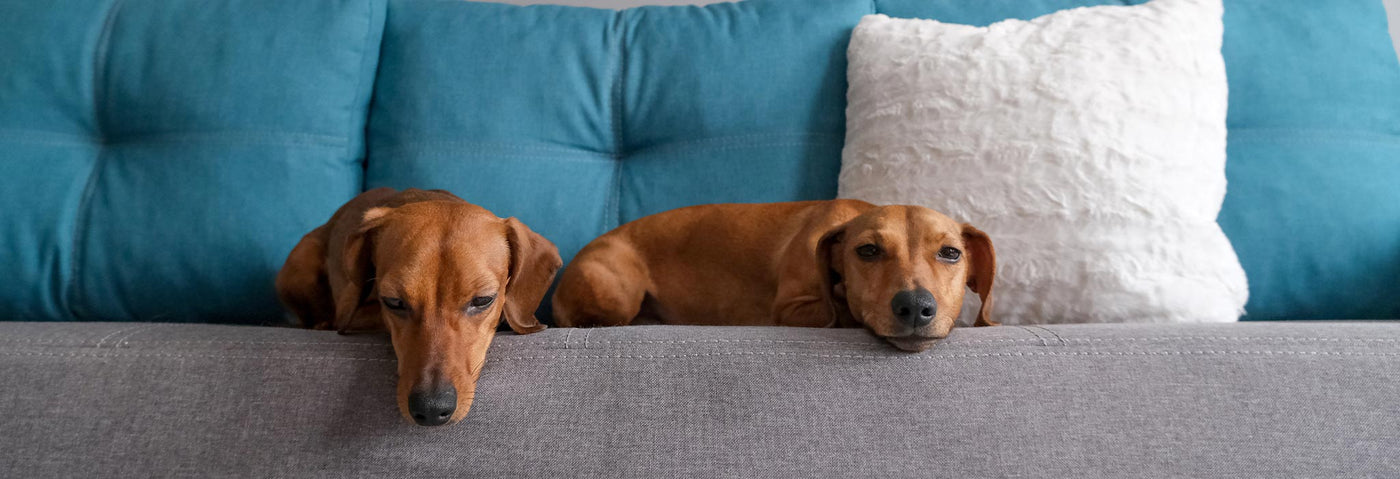
- Factors like breed factors like breed are big factors in how your dog copes with being alone, Dachshunds for example love having people around.
- Spending hours and hours alone, especially at night can cause separation anxiety, which shows up in a range of ways, from excessive pacing to eating poo.
- Senior and young dogs need extra attention - for frequent toilet breaks, check-ins, and all-round love and support, so they can't be left alone for long periods.
Is it illegal to leave a dog alone overnight?
No, there's no specific law in the UK setting a time limit, but leaving your dog alone at home alone for the night could be considered neglectful. A petition was submitted to Parliament to make it illegal to leave any dog alone for more than 12 hours, but this wasn't successfully voted in as law in the UK.
Leaving your dog alone for a typical night of 10+ hours isn't recommended by experts from the RSPCA. One big worry is toilet access - the longer your dog holds their pee, the more uncomfortable they become and higher the chance of an infection.
As a pet owner you have legal responsibilities under the Animal Welfare Act 2006, put in place to help protect animals in the UK. For a full copy visit Gov Animal Welfare.
In simple terms, UK law says your dog must never be left alone long enough to become distressed. Whether that's 2 hours or 8 hours will depend on your dog - but if you fail to meet their needs, you could end up being prosecuted for animal neglect.
Here are the five basics the law requires you to provide for your dog:
- A safe & comfy home
- Fresh food and water
- Freedom to act like a dog
- Companionship
- Protection from pain and suffering
How long can dogs be left alone overnight? Guidelines by age
While not explicitly illegal, leaving a dog alone overnight (8+ hours) is not recommended by animal welfare experts. The RSPCA and PDSA generally advise that dogs shouldn't be left alone for extended periods to ensure your dog has regular opportunities to exercise, go to the toilet, and enjoy human interaction. Maximum time apart will vary based on age.
For example, puppies require a lot of attention and care, particuarlly before they reach 10 weeks old. With any puppy or new dog, it's important to start with very short periods and slowly build up the time they spend alone.
Here's a rough guide by age based on general recommendations for how long dogs can be left on their own:
|
Dogs Age |
Maximum Time |
|
Puppies (under 6 months) |
1-2 hours |
|
Young dogs (6-18 months) |
3-5 hours |
|
Adult dogs (2-7 years) |
4-6 hours |
|
Senior dogs (7+ years) |
4 hours |
Key point: It’s important to remember there isn’t a one size fits all model when it comes to caring for your dog. Use any advice as a basic guideline, and if they seem unhappy or stressed make sensible adjustments.

Can all dogs be left alone?
Not all dogs cope equally - the time of year, health and personality can all play a part in how they behave when left on their own.
- Seasonal events during the year - Bonfire Night can be a very anxious time for nervous dogs. With loud and unpredictable noises through-out the night can make them feel vulnerable, so will struggle more with isolation and could act irrationally or become overly clingy because of their firework fear. It's very natural for dogs to be scared of fireworks.
- Big life moments - Events like moving house, bereavement, or a new baby in the house can be majorly stressful moments. Their whole routine gets turned upside down, and might not get the same level of attention because of these other distractions. All of this change could leave them feeling anxious or even experiencing separation anxiety for the first time.
- Health - If your dog is suffering from health issues or recovering from surgery, they'll require more support and supervision, with regular check-ins to make sure they're comfortable and on the mend. Based on feeling uncomfortable, they're more likely to be sensitive to being left alone, especially at night. The discomfort during this time means isolation can be rather overwhelming and stressful at a time when they need extra comfort.
- Boredom and exercise - If your dog isn't out walking, running or chasing or playing, they could be full of energy, which makes it harder for them to relax and spend time alone without getting frustrated. A tired dog is a happy dog - and will be much better at dealing with isloaltion. Without that physical and mental stimulation, dogs are more likely to become anxious, destructive, or overly clingy particularly when left by themselves for an extended period.
- Age - Age can play a big role. Young puppies and older (senior) dogs aren't great when left alone for long periods of time. A puppy will need the loo pretty frequently - around every 1-3 hours. Even if they're in a secure area, they’ll need frequent check-ins to make sure they're not getting into trouble. Plus, they can become worried if left alone for too long, creating a fear of isolation in adult life. Although senior dogs have a bit more freedom to wander around the house, they’ll also need more frequent toilet breaks and face a higher risk of UTIs if they're holding their pee. Plus, they're more likely to be dealing with health issues, so will struggle with long periods alone.
- Separation anxiety - If your dog already struggles with separation anxiety, spending too long alone will only make things worse. The fear of being left can be overwhelming for them, and nighttime isolation can trigger destructive behaviours - from chewing and scratching to excessive barking or even harming themselves.
- Hormones - Unspayed dogs in heat or experiencing a phantom pregnancy often experience mood shifts that peak at night. You might notice your dog becoming more of a velcro dog at night seeking constant closeness for security as her hormones fluctuate. This isn't bad behaviour; she is simply feeling vulnerable and looking to you for safety. This vulnerability often leads to a specific type of restless, high-pitched whining that is different from a bathroom request. While natural supports like Raspberry Leaf can help balance her mood, if you're concerned you can always ring our product experts for more advice or consult a vet.
Which dog breeds can be left alone?
Knowing your dog's breed temperament is an important part of understanding how they will react to being alone. Some dogs will be naturally more independent because of their genetic make-up, whereas other breeds prefer human company like Dachshunds and Cavalier King Charles Spaniels, - they were bred to be companions after all. Some larger breeds like Great Danes and Newfoundlands can also struggle with isolation despite their size, as they build a deep connection with their owners and struggle with time away from each other. Whereas, more independent breeds like Basenjis, Shiba Inus, and some terriers are typically more comfortable doing their own thing and don't mind a bit of alone.
What are the signs of separation anxiety in dogs?
Some dogs quickly settle into spending time alone, others can develop separation anxiety. If you are worried they are finding time apart upsetting, here are the signs to keep an eye out for.
Early warning signs:
- Frequent licking of lips
- Excessive panting
- Yawning (not linked to tiredness)
- Tail tucked between their back legs
- Ears pinned back
Increased severity symptoms:
- Complete panic when you leave
- On-going crying, barking or howling
- Destructive behaviour in the house
- Soiling in the house, even though they are toilet trained
- Pacing and restlessness, inability to settle
- Waiting or watching the front door
- Multiple escape attempts
- A loss of appetite or eating poo when alone
- Increased clinginess when you get back home
If you are seeing the above symptoms your dog could be suffering from separation anxiety, even if they aren't spending long periods alone. Read on to see what can be done.
What can I do to help my dog be left alone? 7-step guide
From a safe space, positive reinforcement, there are lots of ways most dogs can learn to be calm and happy alone. Here's our 7-step guide.
- Create a safe & comfortable space for your dog - Get the temperature just right, their favourite toy, a soft bed and cosy blanket, and always access to fresh water. Some people find leaving the radio on can also help settle - Magic Radio or Classic FM offer some of the most calming music.
- Exercise your dog before leaving - Ensure you take the time to take your dog for a walk - lots of attention and activities to tire your dog out mentally and physically helping them relax and settle while you are away. If your dog loves to explore and forage on walks, be mindful of plants like clivers and stickyweed or hedgerow berries they may encounter.
- Make sure they are not hungry - Hunger can exacerbate frustrations so make sure they’ve had a nutritious and balanced meal and food throughout the day.
- Ensure your dog has been to the toilet -Always make sure your dog has emptied their bladder or bowels before leaving them alone to prevent discomfort and accidents.
- Slowly build up time alone - Try starting with very short intervals, moving to another room in the house while keeping your pup in their den. Then, as they begin to adjust, slowly increase these intervals in 5-minute blocks, finally taking yourself completely out of the house.
- Set and stick to routines - As they begin to adjust to your departures, if possible try to leave at predictable times with a relaxed farewell routine, rather than rushing out the door with a crash and a bag.
- Track their progress - For longer periods, use dog walkers and check out pet camera options to help you virtually drop in to see how they're coping. But, speak to your vet if your pup begins to show severe anxiety.
We explore more specific scenarios in detail below.
Natural supplements to support for dogs left alone
At Dorwest our range of specially developed herbal supplements can provide extra help for dogs dealing with separation anxiety or general anxiety. Our Scullcap & Valerian Tablets are a great choice for dogs who hate being left alone as the active herbs help naturally relax your pet, by supporting the calming pathways within the nervous system. This helps reduce their anxiety gradually so when you head out, it doesn’t feel like their world is ending.
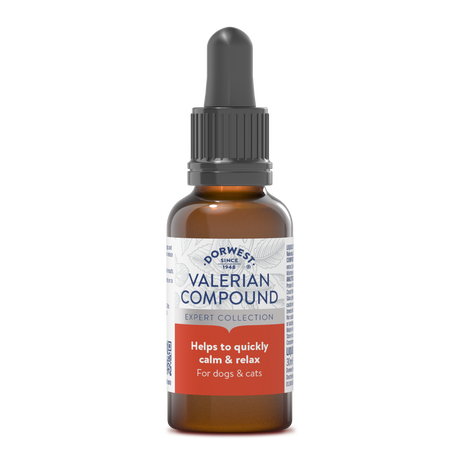
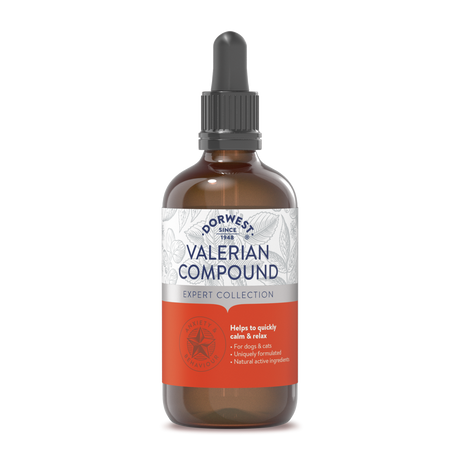
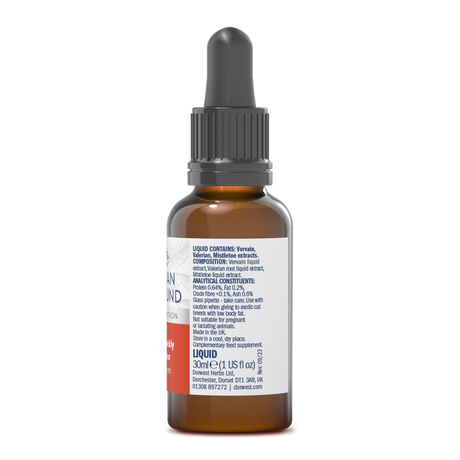
For those especially tricky moments, like unexpected noises or changes to their routine, our Valerian Compound offers quick, effective natural calm. This fast-acting herbal extract works in around 30 minutes, helping your dog relax faster on those particularly stressful days.

FAQs
My neighbour leaves dog alone all night
If your neighbour leaves their dog home alone all night, this might be considered neglect under the Animal Welfare Act 2006. Although at the moment in the UK there is no legal time limit, experts suggest - adult dogs shouldn't be alone for longer than 6-8 hours. So if a dog is alone all evening and overnight, this exceeds what's considered safe. As a dog owner, your neighbour has a legal responsibility for their dog's welfare. It's a tricky situation for you, but we'd always suggest putting the dog's welfare first. If you are at all concerned, reach out directly to the RSPCA or your local animal charity for advice on your specific situation.
Can I leave my dog alone is his crate at night?
No, you shouldn't leave your dog alone in a crate overnight if you're not in the house. While crating overnight is perfectly fine when you're in the house - providing a secure, comfy space for sleep and helping with toilet training - leaving them crated while you're away is different. Dogs can't access water, stretch their legs, or go to the toilet. Holding their bladder for 8+ hours causes discomfort and is inconsiderate of their welfare. Leaving them for too long could be deemed neglectful.
Can I leave my dog alone for 8 hours when at work?
No. If you're going to be out of the house for 8+ hours, we'd always recommend arranging for someone, such as a neighbour, family member, or dog walker to pop in and spend some time with your dog or take them out for a walk. A quick toilet break, a stretch of their legs, a few good sniffs, and a bit of company can make a big difference, helping your dog stay comfortable and happy when you're out.
Can I leave my dog alone for 24 hours or longer?
No. Leaving a dog alone for 24 hours is too long and would constitute neglect, which means you would be breaking the law and putting your dog at risk of harm. If you've decided to go on holiday, or maybe need to be away with work, it's down to you as your dog's owner to arrange proper care. The great thing now-a-days is that there are many different options available - from kennels, local dog sitters, or even a dog loving trusted friend.
How to stop my dog barking when left alone at night
If your dog barks when left alone at night, ensure they get plenty of exercise and mental enrichment during the day - normally a tired dog is a well-behaved one! Try sticking to a set bedtime routine and create a comfortable sleeping space. Introduce time apart slowly, first going to another room, then slowly moving further apart for longer periods until you're able to be out of the house in the daytime or nighttime. For a full step-by-step guide, read our article on why dogs whine and bark at night.
Do dog cameras help with separation anxiety?
Dog cameras can be useful for monitoring your dog's behaviour when you're away. Some owners who've dealt with separation anxiety and destructive behaviour use cameras to see what their dog does while alone, which helps identify specific problems. However, be careful with cameras that let you speak to your dog. While some owners find this reassuring, it can actually make some dogs more anxious because they hear your voice but can't see you. If you want to try this feature, introduce it slowly and test carefully to make sure it doesn't make things worse.
If you have any questions or need any help choosing which product is best for your pet's anxiety - feel free to reach out and contact us our expert and friendly team on 01308 897272 or email info@dorwest.com.
For more top tips and behind-the-scenes updates, follow us on Facebook, Instagram or TikTok!