“Why do dogs bark?” is a question most owners will ask themselves at some point in their lives. There can be many reasons why your dog barks a lot. It can be due to fear or frustration, worry at being left alone, joining in with their neighbourhood canine friends, or due to a breed trait. Barking is one of the more challenging behaviours for us humans to deal with. A dog that barks a lot can be quite stressful to live with, particularly if your neighbours aren’t very sympathetic.
Understanding the type of bark
In order to know why dogs bark, we must first distinguish the type of bark it is. A dog’s bark is made up of a short and repetitive sound. The sound itself can vary depending on your dog’s mood or needs, changing in auditory structure or number of repetitions.
Barking is a normal part of canine communication. It’s used alongside other vocalisations, body language and the use of their olfactory (scent) system. However, ‘inappropriate’ or ‘unwanted’ barking – too loud or too often – is one of the most commonly reported challenges owners have when sharing a home with their dogs. In fact, nuisance barking can also be deemed anti-social to those outside of your home and, by law, a ‘statutory noise nuisance’.
The most important thing to work out is the reason why your dog is barking. Once we know that, we’ll be much better equipped to help reduce it.
Releasing built-up emotions
Did you know that barking can actually feel good? Some dogs may bark a lot to not only relieve stress but also to boost endorphins when they feel uncomfortable in a situation.
Barking can also be due to something underlying that’s going on physically. You can support some of these physical issues by incorporating herbal pet care into their diet. But if you feel that there is something wrong, we always recommend you take your dog to a veterinary professional.
Your dog may not be barking mad after all
We can sometimes be part of the problem too. We unintentionally reinforce the behaviour by talking to our dogs every time they bark, creating a two-way conversation.
And, of course, they could just be doing the job they were bred for. We know that some breeds are more inclined to bark, having been selectively bred to vocalise at specific times. For example, this can be seen in hounds and terriers historically used for active hunts.
We’re going to walk through some of the ways we can help reduce barking if your dog barks a lot. But first, it’s really important that we don’t punish the bark. By adding our own negative responses, we can increase our dog’s stress level, which in turn increases their need to bark.
Shouting at your dog can also impact your bond. The use of anti-bark collars that vibrate or spray liquid may also increase the likelihood of barking – if not while wearing the collar, then after it is removed.
Why does my dog bark at home?
If you have a busy road outside your home that causes your dog to bark a lot, try reducing the visual stimulation. You can do this by changing the room your dog spends time in, helping them to be less vigilant about passers-by. Putting frosting on your windows is another good way of blocking visual stimulation. This can help enormously, especially if you work from home, to reduce territorial or alert barking.
Adding white noise or consistent, calm music can also help to block out disturbances such as car doors closing or people talking as they move past your home. A continuous sound is going to be more effective than television or radio, which have variable tones.
If your dog only barks when they’re left home alone, it might be that they’re dealing with some sort of separation anxiety or frustration.
Our Scullcap & Valerian Tablets for dogs are a great way to support your dog. This herbal pet care remedy can be used alongside a behavioural plan to help your dog grow in confidence with solo time. Check out our expert series of training videos for more ideas on supporting your dog with separation-related challenges.
Why does my dog bark in the garden?
If your dog spends a lot of time in your garden, you may see an increase in socially facilitated barking or allelomimetic behaviour. This is where they join in barking alongside other dogs in your neighbourhood.
In this case, we want to focus on other outside activities. Start with limiting time spent in the garden to when you’re having dog-to-human interactions such as training or play.
You could also consider creating a digging pit as an alternative way for your dog to relieve stress or frustration. Simple sniffing activities, such as sprinkling treats on your lawn, are another great way to engage your dog’s nose instead of their bark.
Creating an inner boundary between your fence and your garden is useful if your dog performs fence-running with a neighbouring dog. This allows some ‘dead space’ to be created so the dogs cannot get right up near each other by the fence.
Why does my dog bark on walks?
If you’re wondering why your dog barks on walks, it might be that they’re getting anxious or frustrated. Or it could simply be that they're so excited to be out in the world they want to tell everyone about it!
Whatever the reason, work on boosting your connection on dog walks. This can be through playing games, adding in sniffing time by hiding treats in long grass, or working on your recall training.
Keeping a journal of your walks and how much your dog has barked on each one can also be a useful way of tracking whether your dog finds some spaces more difficult than others. This allows you to find the calmest spaces for your dog to work in first.
For highly anxious dogs, a rest day every now and then can also be helpful. Take a day off from walks and focus on indoor activities instead.
Why does my dog bark in the car?
When your dog barks a lot in the car, it can make things a little more dangerous as it can be very distracting for the driver. Barking in the car can be due to excitement, unease or even territorial reasons.
Blocking out visual distractions by using a child’s sunscreen or covering the sides of your crate with a blanket can be really helpful. Playing relaxing music while driving with your dog and giving them something to chew while you travel can also help reduce their arousal.
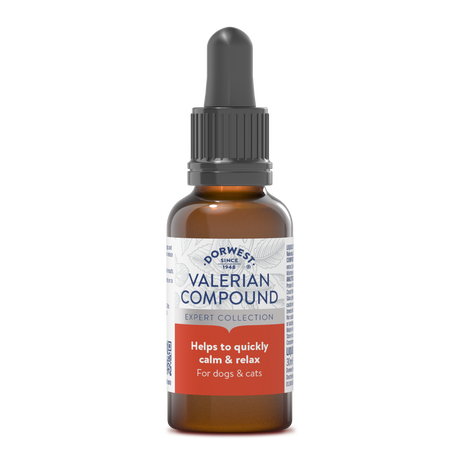
If they regularly find car travel difficult, our Valerian Compound can provide natural support when needed. You could also try swapping where your dog travels to see if that makes a difference.
Whether they’re in the boot or the back seat, safety is paramount, so invest in a crash-tested harness or crate.
Why do dogs bark at fireworks?
Fireworks can be particularly challenging for dogs because the loud bangs are sudden, unpredictable and often come from different directions. Dogs also have much more sensitive hearing than we do, so noises that already seem loud to us can be particularly intense for them.
Barking during fireworks can therefore be your dog’s way of responding to something they find frightening or threatening. Some dogs may bark as an alert response, while others may become more vocal as their excitement or stress levels increase. You might also notice other signs that your dog is uncomfortable, such as pacing, panting, hiding, trembling or staying particularly close to you.
Rather than telling your dog off for barking, try to understand what is causing the behaviour and help them feel more secure. Closing curtains, creating a comfortable safe space and using consistent background noise can all help reduce the impact of flashes and sudden bangs.
It can also be helpful to start preparing before fireworks season begins, particularly if you already know your dog finds loud noises difficult. For more advice, including ways to help your dog before and during fireworks, read our guide on why dogs are scared of fireworks.
Boost your dog’s mood
Overall, happier and more relaxed dogs are less likely to bark. Both chewing and sniffing activities can help dogs engage in naturally rewarding behaviours. The added bonus is that, for most dogs, they won’t be able to bark while they’re chewing or sniffing – which also gives your ears a break!
Short training sessions with your dog can also be helpful to boost your bond and give them something positive to do. Teaching your dog to go to a bed on cue or retrieve a toy can be particularly useful when it comes to barking. You could then use these as alternative activities when your dog hears something such as the doorbell.
So, why do dogs bark?
There can be a number of reasons why your dog is barking. It’s important to pay attention to their surroundings and what is happening when they do so. We hope these tips have given you an idea of why they might use their voice and how you can support them to feel more relaxed.
Does your dog bark a lot because they like the sound of their own voice, or are they trying to communicate something important? Understanding the reason behind their barking can make it much easier to decide how best to support them, helping you both enjoy a quieter and more relaxed life together.
More behavioural advice from Caroline
For more ideas on how to support your dog, check out Caroline's other behavioural videos:
- Separation Anxiety: Watch the video
- Puppy 101: Watch the video
- Travel Anxiety: Watch the video
- Trick Training: Watch the video
Written by Caroline Wilkinson, Certified Animal Behaviourist & qualified dog trainer
Get support and advice from herbal pet care experts
If your dog needs a little more support and would benefit from trying some of our dog supplements, take a look at what we have available online. Our team are experts in herbal pet care and are more than happy to help.
Contact us on +44 (0) 1308 897 272, email us at info@dorwest.com or fill out our online contact form.